Highlights
- Menopause can change how the body responds to exercise, making a more personalized approach to training important.
Strength training for menopause can help maintain muscle mass, support bone health, and improve overall physical strength during menopause.
Cardio and regular movement can support heart health, energy levels, and everyday fitness without requiring extreme workouts.
Proper nutrition, especially adequate protein, plays an important role in muscle maintenance, recovery, and strength.
Core training, mobility work, and stretching practices can improve stability, flexibility, balance, and everyday movement.
A balanced exercise routine focused on strength, mobility, flexibility, and recovery can help women stay active and confident through menopause.
Let’s talk about something that comes up a lot once women hit their fifties. That strange feeling where your body just stops responding to workouts the way it used to. The same routine that used to work suddenly leaves you sore for days, or worse, does not seem to do much at all. Sound familiar?
Here is the thing, though. A lot of women quietly search things like strength training for menopause without really knowing what a different approach actually looks like in practice. So let’s sit with this for a minute and go through it plainly.
What Training With Bruce DeStefano Actually Looks Like
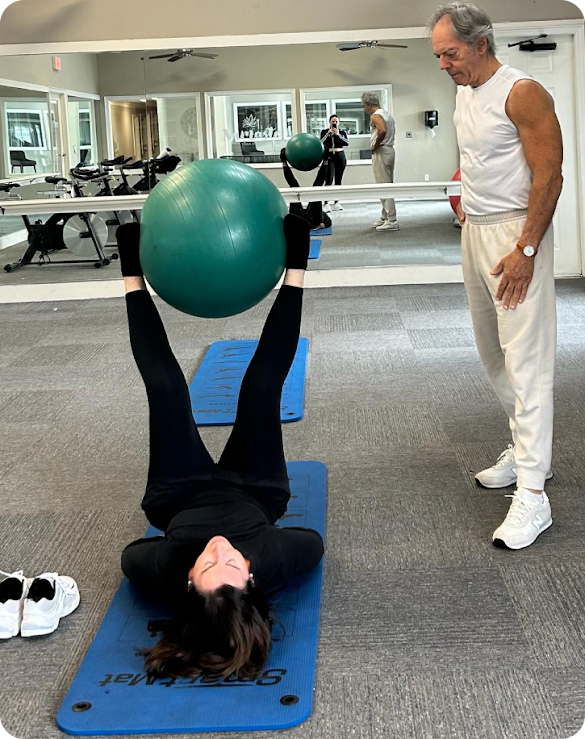
Bruce DeStefano is a NASM-certified personal trainer based in Ocala, Florida, and his whole approach is built around one simple idea. Age and hormonal changes do not have to mean losing strength, mobility, or independence. Personal training for adults aged fifty and older is less about extreme workouts and more about movement that genuinely supports the body you have right now, not the one you had twenty years ago.
If you take a closer look at his services, it goes well beyond a generic gym plan. Here is a breakdown of what falls under that, and why it matters during menopause specifically:
Why Strength Training for Menopause Matters More During Menopause
Getting Your Heart in Better Shape
Cardio training is not about running yourself into the ground. It’s about steady, sustainable movement that supports heart health, which becomes more important once estrogen starts dropping. For a lot of women, this part quietly helps with energy dips and those random waves of fatigue that show up out of nowhere.
Fueling The Body Properly
Nutrition coaching focuses on protein, carbs, fats, and the basics your body actually needs during this stage. Protein especially matters here, since muscle loss speeds up during menopause. It’s not about a fad diet, it’s about eating in a way that supports strength and recovery instead of working against it.
Building Strength Back Up
As estrogen drops, muscle naturally starts to fade faster, something that catches a lot of women off guard. Resistance training works directly against that by reconditioning muscles and supporting bone density, which matters a lot more than people realize once menopause sets in.
Stability From The Inside Out
Core training covers the abs, back, hips, and pelvis, basically the stuff that keeps you balanced and upright without even thinking about it. Better core strength usually means fewer falls and just feeling steadier on your feet, something that quietly becomes more important with age.
Moving Without That Constant Tightness
Stretching is where a lot of the stiffness that comes with hormonal changes gets addressed. Improved flexibility through regular stretching practices means bending, reaching, and getting out of a chair stops feeling like a whole ordeal. It’s not about touching your toes like a gymnast; it’s about your body cooperating with you again.
Wrapping This Up
Menopause-related discomfort is far more common than many women realise. Around 80% of women in the USA experience symptoms during menopause, including issues such as joint and muscle aches, stiffness, sleep problems, and mood changes. Focusing on strength training for menopause, mobility, flexibility, balance, and recovery can help you stay active and support your body through this stage of life. There is no need to push through workouts that do not suit you anymore.
If you are ready to stop putting it off and start feeling stronger, more mobile, and more confident, get in touch today to learn more about training approaches built around you.

Post A Comment