Highlights:
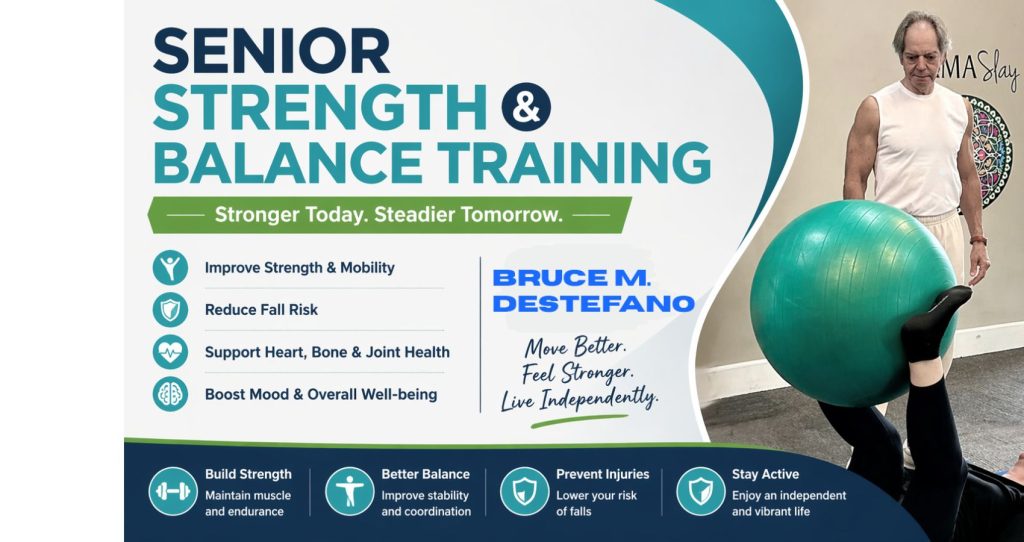
Regular strength and balance training helps older adults reduce chronic disease risk while improving mobility, endurance, and independence.
Physical activity boosts mood by releasing endorphins, helping seniors manage stress, anxiety, depression, and emotional well-being effectively.
Resistance exercises improve bone density, slow age-related bone loss, and lower the risk of osteoporosis and fractures.
Increased muscle strength and coordination enhance daily functioning, reduce injury risks, and support long-term independence and quality of life.
For many people, it is easy to say that age is just a number. But staying fit as you age requires serious attention to detail. The general benefits of physical activity are well-known. Exercising regularly not just improves brain function and mental health, but also keeps your heart and lungs healthy. Senior strength and balance training requires your muscles to contract against an external force, and with each contraction, your muscles get stronger and gain endurance. In this blog, we will explore the key reasons to enrol in this physical training for older adults.
Reasons to Engage in Senior Strength and Balance Training for an Older Adult
Let’s find it!
Reduces Disease and Disability
A lack of physical activity contributes to chronic diseases, such as heart disease, stroke, lung disease, cancer, diabetes, hypertension, and many others. As an older adult, you can benefit from regular strength and balance exercises, as these help to maintain independence by reducing the risk of chronic illnesses and physical limitations. With structural personal training, you will receive tailored routines that improve mobility, coordination, and endurance.
Regulates Mood
A good mood contributes to overall well-being. Expertise plays a crucial role in mental well-being by releasing endorphins that elevate mood and reduce stress. For older adults, staying physically active can combat feelings of isolation, anxiety, and depression. It fosters a positive outlook and improves emotional health.
Improves Bone Mineral Density
BMD or Bone Mineral Density refers to the concentration of calcium and minerals in your bone tissue. Decreasing BMD weakens and thins your bones and increases your risk for osteoporosis. After age 50, you begin to lose bone faster than you can build it. Resistance training not only reduces that decline but also strengthens your bones.
Lowers Mortality Risk
Resistance training offers benefits specific to your bone density and muscle strength. But it also provides overall health benefits. Senior strength and balance training is associated with lower risks of mortality due to cardiovascular disease, cancer, and all other causes. The risk reduction is noticeably larger for women, empowering older adults to lead healthier and more fulfilling lives well into later years.
Manages Arthritic Symptoms
Strength and balance training can significantly ease joint stiffness and discomfort associated with arthritis. Combined with proper nutritional guidance, you can reduce inflammation and support joint health. Regular movement improves flexibility and reduces pain, allowing you to perform daily activities more comfortably while maintaining a better quality of life despite arthritic conditions.
Increases Muscle Strength and Function
As you age, there is a decline in muscle mass, strength, and function. But the targeted exercises help to rebuild strength and improve physical performance. It enhances flexibility, reduces muscle tightness, and prevents injuries. This combination supports better posture, balance, and coordination. It enables you to stay active, perform tasks efficiently, and maintain independence for longer periods.
Senior strength and balance training offers wide-ranging benefits, from improved physical health to enhanced emotional well-being. By supporting mobility, promoting independence, and reducing disease risk, it empowers older adults to live safer, more active, and fulfilling lives while maintaining confidence and overall quality of life.



Post A Comment