Highlights
- Fitness for older adults is officially the #2 trend for 2026 — adults 65+ now hit the gym more than any other age group.
- It’s not about lifting heavier or running faster — it’s about moving better through everyday life.
- Tight hips and stiff shoulders quietly affect how you walk, sit, and sleep — mobility work turns that around.
- One-on-one coaching beats crowded classes, especially when older adults need a pace built for them, not against them.
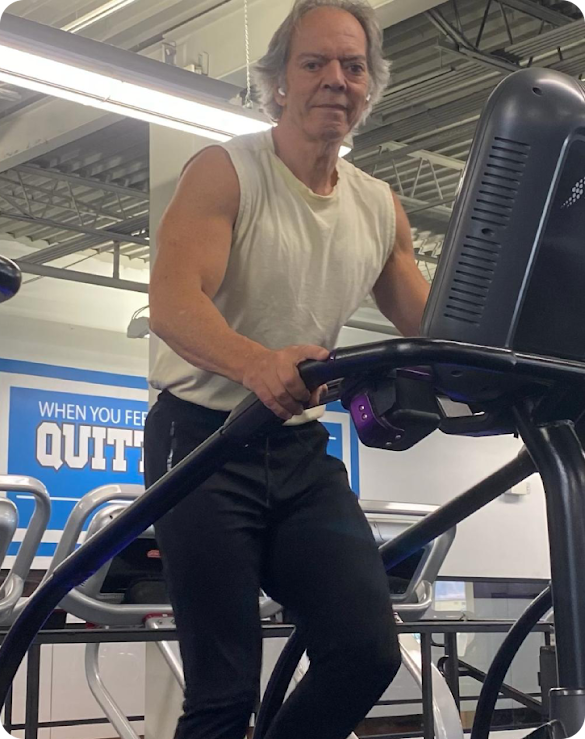
- Bruce M. DeStefano has trained this way for years in Ocala, FL — functional, mobility-first fitness before it became a trend.
Something interesting is happening in gyms across the country, and it has nothing to do with the latest workout fad or a piece of shiny new equipment. According to the American College of Sports Medicine’s newest industry survey, fitness programs built specifically for older adults have climbed to one of the top trends in the country for 2026. Gym visits from adults over 65 are now outpacing every other age group. That’s not a small shift. It’s a sign that people are finally rethinking what it means to grow older.
For years, aging and exercise were treated like two separate conversations. You either accepted stiffness, slower movement, and a shrinking comfort zone as “just part of getting older,” or you tried to keep up with workouts designed for twenty-five-year-olds and got frustrated, sore, or hurt. Neither approach actually worked. The real answer sits in the middle, and it’s finally getting the attention it deserves through smarter, more personalized personal training approaches.
Why This Shift Is Happening Now
Part of it is simple math. Millions of baby boomers are moving into their sixties and seventies, and they’re not interested in slowing down quietly. They want to travel, play with grandkids, garden, golf, and keep doing the things that make life feel full. But wanting that and being physically capable of it are two different things, especially once muscle mass starts declining and joints lose some of their natural give.
That’s exactly where thoughtful, personalized training comes in. Not bootcamp-style workouts. Not one-size-fits-all classes where a sixty-eight-year-old is expected to keep pace with someone half their age. The programs gaining traction right now focus on the fundamentals: balance, core training, functional strength, and mobility and stretching work that mirrors real, everyday movement like standing up from a chair, reaching overhead, or walking without hesitation.
What Functional Movement Actually Looks Like
This is the part people are often surprised by. Functional training isn’t about lifting heavier or running faster. It’s about training your body to do the things you already do every day, only better and with less effort. Bending to tie a shoe. Carrying groceries up a flight of stairs. Getting out of bed without that familiar ache in the lower back. When a program is built around those movements instead of arbitrary fitness goals, progress tends to show up in daily life almost immediately, not just on a scale or a treadmill display.
Stretching and mobility work play a bigger role here than most people expect. Tight hips and stiff shoulders don’t just limit range of motion, they change the way a person walks, sits, and even sleeps. Loosening that up, combined with steady resistance training to rebuild lost muscle and a sensible nutrition plan to support it, is often what separates someone who feels stuck at seventy from someone who feels genuinely strong. Even cardio work gets reframed here, less about burning calories and more about building the endurance to keep up with a full, active life.
The Bottom Line
The takeaway from all of this is refreshingly simple. Age is not the obstacle most people assume it to be. What matters far more is having a plan that respects where your body is right now while still pushing it toward something better. That kind of guidance is hard to get from a generic app or a crowded group class, which is exactly why one-on-one coaching built around real movement, real goals, and real accountability continues to gain ground heading into 2026.
This is the same philosophy that trainers like Bruce M. DeStefano have built their entire approach around for years, long before it became an industry trend. Working with adults in Ocala, Florida who are fifty, sixty, and seventy plus, his training services focus on the exact kind of functional strength and mobility work now being recognized nationally as the future of fitness for older adults, proving that sometimes the best trends are simply good practices finally catching up to the science. Anyone curious to see what that looks like in practice can get in touch to start the conversation.

Post A Comment